

Max Allen | 1 May 2026 | Read time: 5 Mins
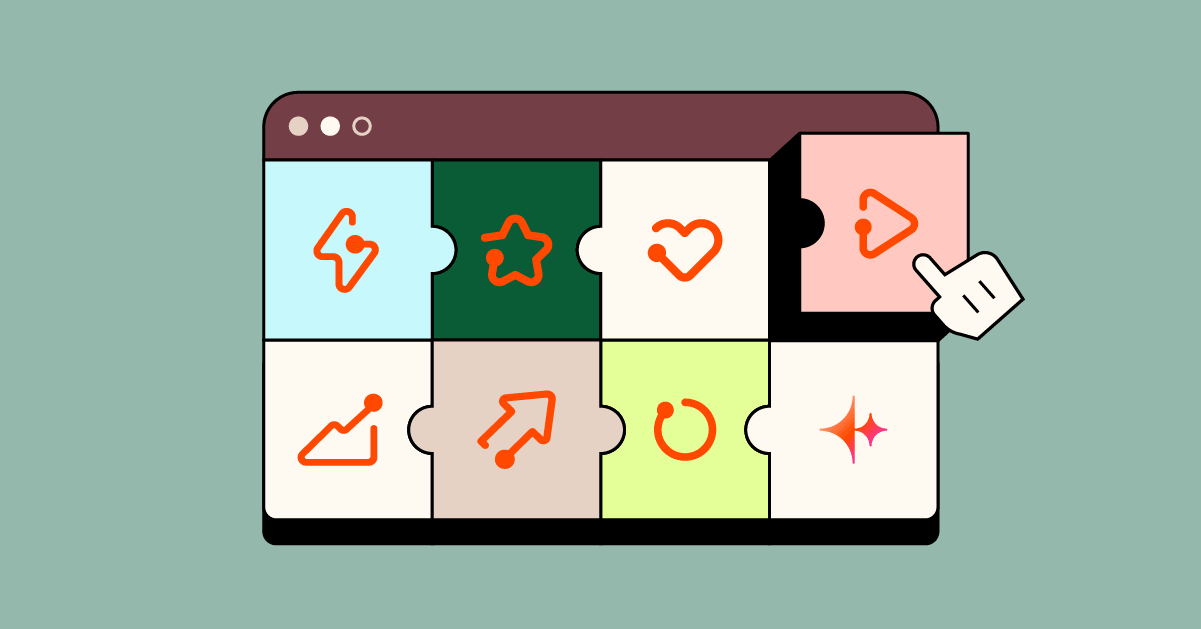
If you're already using HubSpot for your CRM, marketing automation, or sales workflows, there's a good chance your website is the one part of your stack that isn't connected to any of it.
Your forms feed into a separate platform. Your analytics live somewhere else. You're exporting data, copying it across, and hoping nothing falls through the gap. It works, sort of. But it's friction you don't need, and over time, it adds up.
This is the situation many B2B businesses find themselves in, and it's one of the main reasons we're seeing more teams look at moving their website to HubSpot.
When your website sits outside HubSpot, you can still track page visits, but only if the HubSpot tracking code is installed correctly across every page. In practice, this is where things often go wrong. Pages get added, templates change, and the tracking quietly breaks. When that happens, you lose the connection between website behaviour and contact records, and your view of the buyer journey starts to develop blind spots.
When your site is built on HubSpot, tracking is built in. There's no code to maintain or audit, and no risk of it breaking when someone updates a page.
This matters in B2B, especially, where buying cycles are long, and decisions rarely happen in one visit. Understanding the full journey, not just the conversion point, helps you make smarter decisions about where to invest your content and campaign effort.
One thing worth knowing: many HubSpot licences already include CMS functionality. If you're on a Professional or Enterprise tier, you may have website-building capabilities sitting unused while you continue paying for a separate CMS platform.
It's worth checking what your current licence includes before assuming a move to HubSpot will incur additional costs.
Beyond the data joining up, there are some practical benefits that make a real difference day to day.
Smart content means you can show different versions of a page based on what you know about the visitor. A returning contact who downloaded a whitepaper last month sees something different to a first-time visitor. A prospect in a specific industry sees case studies relevant to them. This kind of personalisation is difficult to achieve when your CMS and CRM are separate systems.
CTAs can be tied to lifecycle stage, so the action you're asking someone to take reflects where they actually are in the buying journey, rather than serving the same "book a demo" button to everyone regardless of whether they've ever heard of you.
And because HubSpot handles forms, landing pages, workflows, and email in the same environment, you can build more joined-up campaigns without the usual back-and-forth between platforms.
Not every business needs to move its website to HubSpot, and it's worth being clear about that.
If you're in the early stages of using HubSpot and your current site is performing well, there's no urgency. But if you're finding that your website feels disconnected from the rest of your marketing activity, if attribution is murky, if personalisation feels out of reach, or if your current site has simply outgrown what it was originally built to do, then it's a conversation worth having.
The businesses we tend to work with on this have usually been on HubSpot for a year or two. They've got solid data in the CRM and a good understanding of their audiences. What they're often frustrated by is attribution - not being able to clearly see which content, campaigns, or channels are actually driving pipeline. When your website and CRM live on separate platforms, attribution will always be an approximation. Bringing your website into HubSpot closes those gaps and gives you the visibility to make more confident decisions about where your marketing budget goes.
Moving your website to HubSpot isn't just a technical migration - it's an opportunity to rethink what your site is actually doing for your business. The best HubSpot websites aren't rebuilt versions of what came before. They're designed around your HubSpot data, your buyer journey, and the outcomes you're trying to drive.
If your current site feels disconnected from the rest of your marketing stack, or you've simply outgrown what it was built to do, it's worth exploring what a HubSpot-native website could look like for you.
We work with B2B businesses that are ready to make that move. If that sounds like you, get in touch and let's talk it through.
Join the newsletter
Get our take on the latest B2B marketing and HubSpot news, delivered to your inbox each month.
The right agency relationship starts with an honest conversation. Complete the form below and tell us where you're at. We read every word, so don't hold back.
We usually respond back within 30mins on business days.
Trusted by leading companies worldwide